
I’ve been a gamer since I was young. My grandmother used to play Super Mario World on the SNES, and when I’d visit her, we’d tackle the two-player mode together—essentially swapping between Mario and Luigi after each death. It was a blast, and I’ll never forget the bond we forged through gaming. That was my entry point into an awesome world of worlds. Not long after, my mother gave in to my pleas and got me an SNES for my birthday. While I loved Super Mario World, I craved more games—but my family was quite poor, so that meant scouring local pawn shops (Buy & Sell stores) for deals. On my first treasure hunt, I found an obscure cartridge in the bin: The Secret of Evermore. Its cover featured a boy and his dog facing a nightmarish insectoid creature—I had to have it. The game was tough (it didn’t come with a manual, and the internet wasn’t reliable or easy to access back then), but it was incredibly fun. It even led to a lifelong friendship when I asked at the school lunch table who’d heard of it, and only one other kid had. We’re still friends in our 30s, having met over that game in 4th grade.
I got to play some real gems—and before you call me out, yes, I was a huge Nintendo fanboy. I wouldn’t touch anything else until Final Fantasy VII captured my heart. I still remember the materia combinations I crafted to turn my characters into immortal destroyers of a planet-wrecking psychopath (Final Attack + Life & Knights of the Round + MP Absorb, anyone?). I love games, and my life would arguably be worse without them. That said, my interest has dropped off sharply in recent years—not due to a lack of desire, but because of a string of disappointing experiences.
So, what changed?
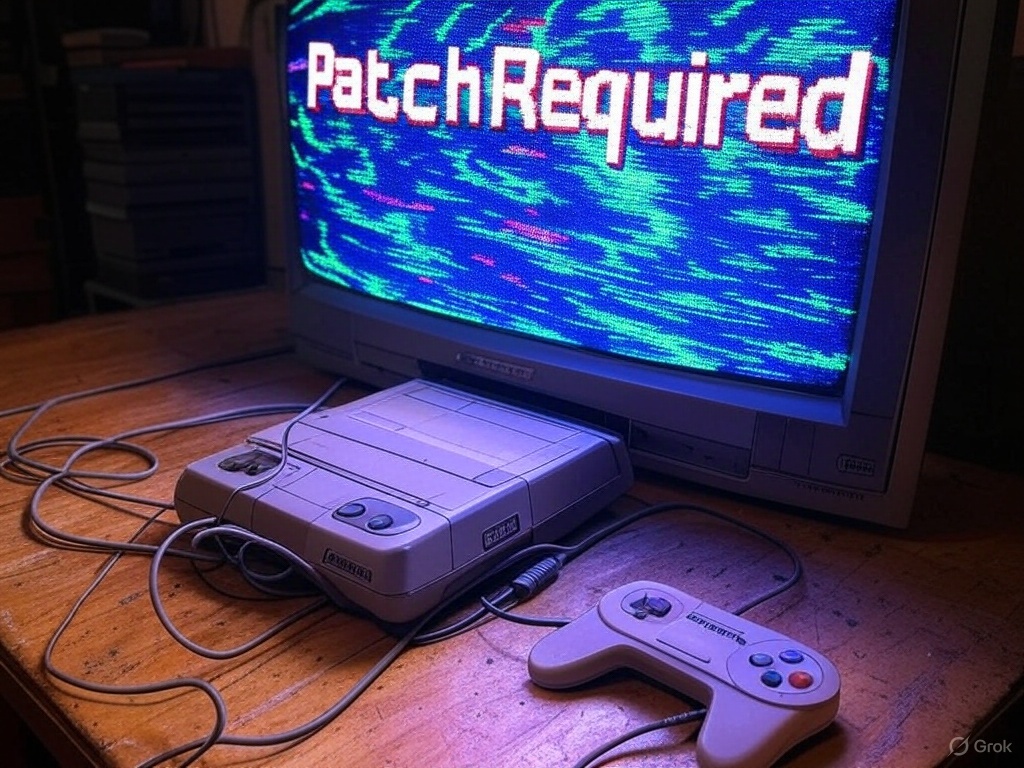
I’m no expert, but it seems to me that as video games grew more popular, profit-minded businesspeople got involved, and the internet’s ability to update games post-launch has created a situation where developers no longer release finished products. In older generations, game companies had in-house beta testers and couldn’t patch games after release—this meant games had to be ready and functional before they reached customers. These days, it’s almost the opposite: if you buy a game on launch day, you are the beta tester. For most of my life, if I bought a game, it worked on day one and didn’t suffer from performance issues (not always, of course—less reputable titles or cash-grab games based on TV shows or non-gaming IPs often carried risks). The Nintendo Seal of Approval actually meant something back then, but now I have trust issues (I’m looking at you, Pokémon Scarlet, a game that looks worse than its predecessors and had issues at launch). There are likely reasons for this shift in methodology, but I don’t think it’s in the customer’s best interest. Instead, it’s cheaper to release a somewhat functional product and fix it later—if it’s profitable to do so. If a bare-bones game flops, they can scrap updates and move on. There’s likely more to it, of course—I’m speaking as a customer, based on what it feels like from my end. But I don’t like it, and I don’t have to pay for this new development model. Neither do you.
I say it’s time to turn the tables on this practice of releasing half-baked games. First off, if you’re a gamer, you probably have a backlog of unfinished titles (I’m calling you out because you know it’s true). Second, if you wait until all the updates have rolled out for a game, you can buy it in a more complete, robust form. Think about it: if you wait a year after release, you’ll get a more polished, finished product—often at a sale price. You can enjoy a higher-quality, more valuable game for less money by working through your backlog and buying later. This lets you reclaim a perk of older gaming generations (who knew receiving a finished product would become a “perk”?)—getting a solid game the day you buy it. You can still game to your heart’s content while tackling your pile of shame. You’ll likely feel better about purchases you actually play and score a better deal on your next title. All it takes is a small shift in mentality. Let others beta-test your games with their day-one purchases—or, if enough people adopt this practice, developers might have to respond to market forces and rethink the system. Either way, you keep gaming at a far better value.
So, I ask you to consider this approach for yourself. It’s not always easy, but the rewards are real, and you might even dodge some real stinkers along the way. Sure, some folks might say, “But I love the hype of launch day!” Fair enough—but that’s mostly hot air if the launch sucks. A buggy mess or a half-baked game kills the vibe faster than you can say “patch incoming.” Why gamble on disappointment when you can wait, play your backlog, and snag a polished gem later?
Join the “Don’t Buy New Games” movement and help gamers take back a little control over our hobby, one backlog game at a time.
Thanks for reading,
Vince “AutomaticMonk” Davis
 Vince Designs